


The Future of SEO in 2026: A Complete Guide to AI Search, User Intent, and Organic Growth
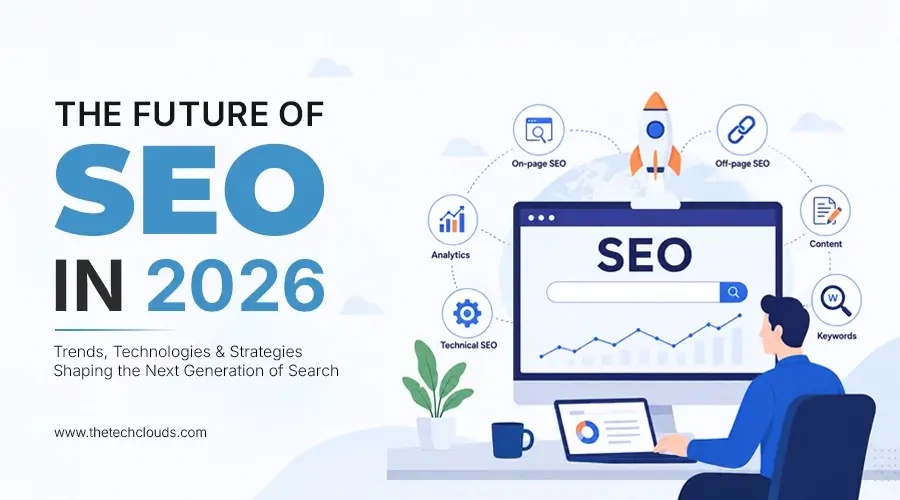
Your brand was coming among the top 5 SERP results last year, but now you’re struggling to maintain that. Google algorithms are constantly changing, and your competitors who are following AI strategies are making their mark in this ever-changing digital landscape.
The only question is why? This is because SEO is no longer confined to keyword research. It goes beyond that. Nowadays, understanding context, intent, and trust matters. So, if you implement the same SEO strategies, then it’s obvious that you’re dead last. This guide will help you understand everything about the future of SEO and how to stay ahead in 2026.
Key Takeaways:
- Put more focus on search intent rather than inserting keywords.
- Use tools to understand current trends and to appear on Google SGE and zero-click searches.
- Improve your UX, technical SEO, and local SEO.
- Use human-edited content incorporating E-E-A-T signals.
- GEO is the next frontier, so do not underestimate it.
What is Search Intent Optimization?
Search intent optimization is a strategy for creating content that exactly matches what people are looking for. When people get what they want, they stay longer on that website. Based on this visit duration, Google ranks your website. The higher it is, the better your search rankings. Hire SEO experts who understand this shift and help you make pages that outshine your competitors.
4 Key Types of Search Intent Optimization
There are mainly 4types of online searches. Let’s have a look:
- Informational Intent: Where people find out some exact explanation or information.
For example: “What is On-page SEO?”
- Transactional Intent: Where users are ready to buy or sign up for something.
For Example: “Book tickets now”.
- Navigational Intent: Where users are finding out some specific website or brand.
For Example: “Facebook Login”.
- Commercial Intent: Where users compare various options before coming to a conclusion.
For Example: “Best digital marketing services in the UK”.
What is Google SGE?
One of the most prominent changes you will observe in the field of searching is Google’s Search Generative Experience (SGE). Now, to the core: what is this, and how does it change the search landscape?
Google SGE is basically Google’s AI-powered search feature. It creates a brief overview of the content for a question from the top search results, drawing from multiple sources without showing their traditional links.
Research shows that SGE appears in over 84% of search queries. Bear one thing in mind: SGE pulls from pages that load quickly, are smoothly navigable, are brand-consistent, and implement mobile-first design, because, in the present scenario, UX matters for SEO more than anything.
How to Optimize for Google SGE
Google SGE highly dominates the modern search ecosystem, and to succeed in such an environment, you need to follow some strategies:
Provide Direct Answers: Now, content is not about roaming you from the first to the last. It’s now about giving you a clear, straightforward answer within a hundred words or within 2-3 sentences in the introduction passage. This step helps you appear in the AI-assisted overviews.
Use Structured Data: Don’t forget to implement Schema Markup strategy. This step helps Google pull your content into SGE results.
Build Topical Authority: Always build high-quality, original, human-generated content and link it across multiple platforms. This approach helps improve topical authority and visibility.
Earn Trust Signals: Citations and backlinks play a great role in making your content authentic. Always put genuine reviews or research-based data with a source link. When Google recognizes your content as trustworthy, it will attract more traffic to your website.
How AI Changes the SEO Landscape
The Future of SEO with AI is no longer a technical game. It has become a trust game. According to BrightEdge, over 68% of online experiences begin with a search engine, and AI steps in to provide what’s required.
Content that is clear, trustworthy, and genuinely helpful wins. Content that is thin or generic gets buried regardless of how many keywords it contains.
Top 11 Trends You Must Adopt
Voice and Conversational Search:
Research shows nearly 50% of searches are now voice-based. Write content in a conversational tone, questions and answer format. This strategy helps match how people actually speak and act.
AI-Generated vs. Human-Edited Content:
Google ranks content that is fully human-generated and authentic. Use AI to identify competitor gaps. The human brain always brings fresh, innovative ideas, which help you rank well.
Automated Keyword and Competitor Analysis:
Use keyword research tools like Ahrefs and Semrush to find high-intent keywords. These tools will show you the keyword difficulty, ranking, competitiveness, and region for which you’re targeting your content. Also, use long-tail phrases that AI search engines pick up; this approach will help you achieve high AI rankings.
Predictive SEO Strategies:
Predictive SEO means targeting the topics that only a few brands cover. Search for trending topics before they attract your competitors’ attention. Noticing Google Trends and conducting an SEO audit monthly to understand the latest approaches.
Multimodal Search:
Over 12 billion visual searches are now processed through Google Lens. That’s why optimizing your images with alt text, video transcripts, file names, and image schema is mandatory, not optional. This step will help you show up in visual search results.
Focus on UX:
The future of SEO is now highly linked with user experience (UX). Focus on Google’s Core Web Vitals. This step will directly improve rankings by showing a faster-loading page and an easy-to-navigate architecture. That’s why you should focus on speed, mobile responsiveness, and brand consistency.
Hyper-Personalized Local SEO:
Local businesses need to thrive in their regions first. Ask any SEO agency you’re considering hiring whether they can implement personalized local SEO based on user history and location. Keep your Google Business Profile updated and maintain NAP consistency to become highly discoverable in local searches.
Improve Technical SEO Performance:
To create the foundation for rankings, always focus on indexing and crawlability. Studies suggest a 3s delay can drive away your users and reduce conversions by up to 7%. Include XML sitemaps and a robots.txt file, and focus on clean site architecture. You may also need to research which platform boosts SEO the most and invest accordingly.
Zero-Click Searches:
Nearly 65% of searches end without a click. To get more clicks, use bullet points and direct answers in a storytelling format. Also use clear yet elegant language that resonates with both types of conversions. People who understand easy language and those more accustomed to advanced English.
Strengthen E-E-A-T Signals:
Google has clarified its guidelines. It primarily prioritizes content that aligns with Experience, Expertise, Authoritativeness, and Trustworthiness. Whatever information you’re providing in your content should be properly verified with authors’ credentials and site sources. Always write accurate content and update it regularly to boost visibility.
Master Generative Engine Optimization (GEO):
GEO will help your content appear in the answers generated by AI tools like ChatGPT, Perplexity, Claude, and Gemini. It will also help you become visible in Google SGE. The future of SEO with AI is not just about writing something; it’s about writing in a structured way. That’s why you must use tables, FAQs, and real-time user questions in your answer. Add a summary, statistics, quotes, and original data.
Closing Thoughts
The future of SEO belongs to those who put focus on AI search optimization, GEO, UX, original content, and conversational search. Implementing E-E-A-T signals, technical SEO, and hyper-personalized local SEO tells search engines that your site is authentic and offers fair services. When people get what they want, they will spend more time on your website. Website dwell time helps you rank higher in SERP results, boosting your visibility.
If you’re not sure where to start? Let The Tech Clouds (TTC) help you. From digital marketing services to full SEO audits, we do everything for you so that your brand sparkles from the rest!

Frequently Asked Questions
Does Google rank AI-generated content?
To be honest, you can only rank well when you edit or humanize AI content. Because according to Google’s guidelines, maintaining E-E-A-T is essential to rank. So, use some real-life examples or research-backed data in your content to make it authentic.
What features become essential for the Future of SEO?
Citations, an organized blog structure with proper headings, bullet points, FAQs, and conversational voice searches are important. Furthermore, UX, predictive SEO, AI-optimized keywords, and improved technical SEO approaches also provide a competitive edge.
Which is more important: topical authority or backlink?
Both work for SEO in 2026. Just understand what works where. Topical authority is important when informational, educational, and navigational intent comes into play. Backlinks are effective for transactional and commercial intents. But implementing both is necessary. They will help your content look genuine and unique.
Recent Posts






Related Blogs
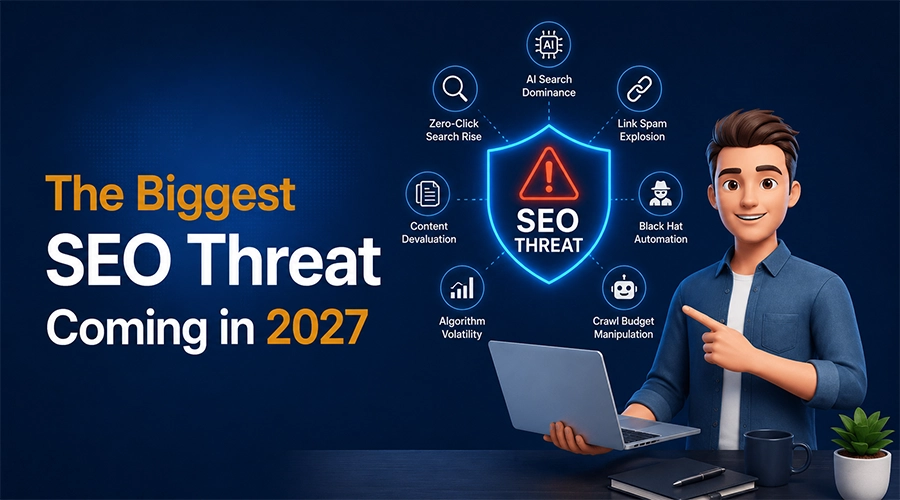
What Is the Biggest Threat to SEO in 2027?
For years, the basic search journey was simple: someone typed a question, scanned the results, chose a website, and continued reading there. That habit is changing, mostly because of the...
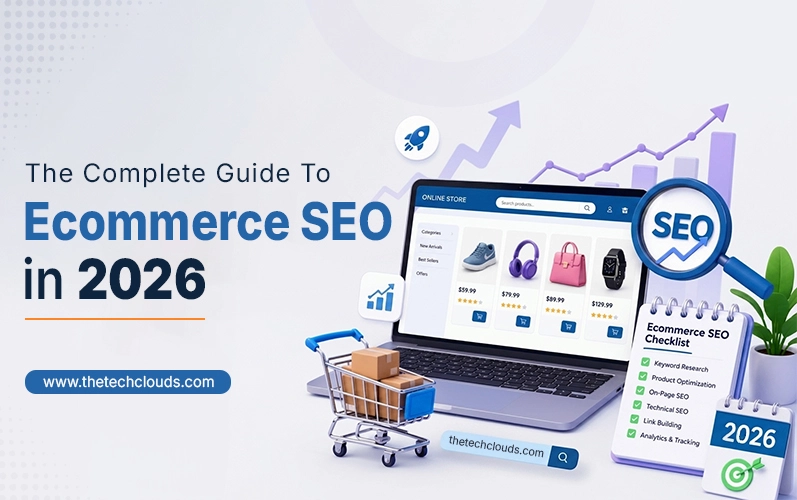
Ecommerce SEO Strategies to Rank Higher in 2026
You are running your online store, but whenever customers search for something, it doesn’t show up. As a result, you’re losing sales and failing to generate revenue. How can you...
Are Web Applications SEO-Friendly? What Businesses Should Know
Web applications can absolutely be SEO-friendly only when you consider SEO from the very first step of web application development. SEO is definitely not something you think about after building...

Why UX Matters for SEO in 2026
SEO is no longer confined to tweaking keywords and On-site optimization. It's now going beyond that. UX, the User Experience, starts holding the ground, slowly, still strong. It is now...

Which E-commerce Platform Boosts SEO the Most?
SEO is the driving engine of an online store. Studies show that over 68% of online experiences start with a search engine. This means your platform must support strong SEO...

Overview Of 360 Digital Marketing: See Your Brand To A New Height
360 digital marketing integrates multiple channels. It covers different touch points. 70% of businesses earn better ROI with a multi-channel strategy. A very interesting fact, we must say here is,...