


How to Develop a Website for a Startup
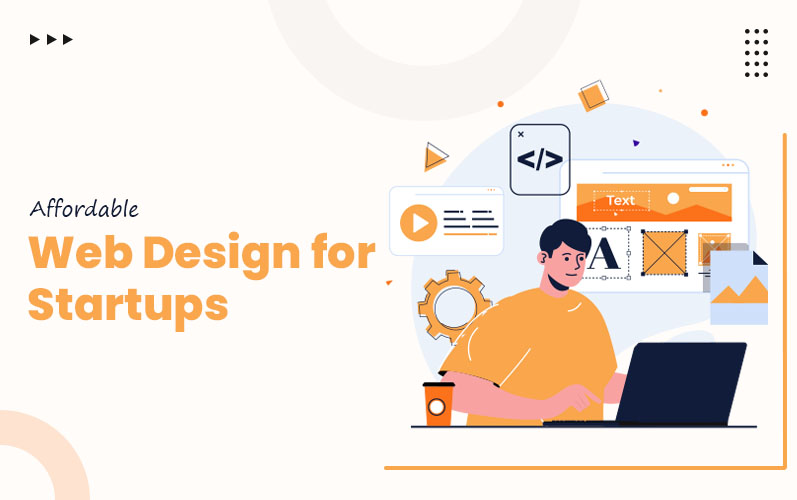
Nearly 80% of users research your business online before buying anything or using its services. So, a strong web presence is mandatory in this highly competitive digital world. But building a startup website should not always be hard. Most founders overthink it. Not every time do you need a high budget or core technical knowledge. A focused business strategy and a trusted development team are enough to build a solid web design for startups that instill trust, attract customers, and help you expand your business quickly.
Let’s walk through every step.
Key Takeaways:
- Plan before you build, or you will waste time fixing what should have been right from day one.
- Simple design and clear copy convert better than anything fancy ever will.
- Mobile, speed, and SEO are not extras; they are the bare minimum today.
- Test your site as a stranger because your customers definitely will.
- A good startup website is never finished; it just keeps getting better.
10 Steps To Create a Business Website
Step 1: Define Your Core MVP Features:
You want your website to look nice, and your website needs to be fast and responsive. So, draw a line between what you need and what you want. It should be clear and focused. Always concentrate on your needs first. After completing these, if you still have some budget left, invest it in your wants.
Let visitors have what they need in the least time possible. Check out every link- can they contact you easily? Do they face any problems regarding signups or checkouts? If everything is in its place, your MVP is ready. Skip everything now and build the solid foundation first. Remember, a website is like a house when built on a strong foundation, worth every penny and effort.
Step 2: Choose the Right Visual Identity & Template
To make your website feel lively and refreshed, you’re investing in motion graphics. But bear in mind, you’ve just stepped into the digital world. Before spending money on this, choose a clean template that reflects your brand’s values.
Choose beautiful fonts, design images, and contrasting colors that complement your layout. A trusted startup company website design should be minimal yet aesthetic. And when you do this effortlessly, you can easily beat confusing, eye-straining interfaces. Set a visual identity that creates a strong impression for every visitor as soon as they step onto your website. List different agencies and ask how much it costs to build a website, to avoid confusion.
Step 3: Keep The Tech Stack Simple
You do not need to build your website using complex code. Use scalable, affordable web design services. You can also reach out to technical teams with core knowledge of CMS, HTML, CSS, and JavaScript.
These tools are highly effective in building a website and expanding your business. Use React, Vue, or Angular for a dynamic front-end experience. Use Node.js, Django, Flask, or PHP to create a fully custom backend. Hiring a MERN stack developer means fewer problems, lower costs, and faster updates.
Step 4: Focus on Conversion Over Perfection
The main motive of your website is to convert your visitors into long-term potential customers. Every page is intended to be developed in this way. Use urgent-calling CTAs on every service page. A clear call to action helps users navigate easily and leads them to their desired destination.
Use copywriting styles that help you sell quickly and effectively. Write as you talk. Be direct and simple, free from any fluff. Invest in eCommerce development services that can convert well rather than just looking good.
Step 5: Set Up Your Domain & Hosting
Domain name selection and hosting are major steps in web design for a startup. Select a domain name that is unique, crisp, and reflects your brand image. Check it on the Domain Registrar to confirm whether it’s available or already taken. Then look for some reliable hosting options.
Choose a hosting plan based on your business requirements. If you want affordable, easy-to-set-up hosting, choose shared hosting. For more speed and flexibility, choose VPS hosting. Select dedicated hosting when security and performance are your main concerns. If you want a pay-as-you-go model and auto-scaling for high traffic, then cloud hosting is the best solution.
Step 6: Optimize for Mobile:
Nearly 70% of web traffic is coming from mobile phones. So, mobile-friendliness is no longer optional; it’s mandatory. Your site must work perfectly on every digital screen. Leverage emerging UI/UX design trends to improve user engagement and better conversion rates.
Incorporate buttons that are easy to tap on phones. The text should be readable without zooming. Before investing, check some sample websites for startup companies that rank well on Google, and also see how they look on phone screens. Ignoring mobile responsiveness in today’s era can leave you behind in this competitive marketplace.
Step 7: Add The Essential Pages
Some pages are mandatory while building a startup website. These are Home, About Us, Service Pages, Product Pages, Contact form, and Blog sections. Create a 600-word blog that is fully original, fresh, and human-originated. Post regularly, without fail, on social media accounts at least 2 to 4 times a week.
Do not stuff too much into a single service page or piece of content. Choose relevant, trending market topics and present genuine information in a crisp format. Keep navigation simple. When you implement these regularly, it opens many opportunities for your startup. So, do not forget to put effort into essential pages and blogs. This will serve as a strong foundation for the startup’s website design.
Step 8: Set Up Basic SEO
You cannot ignore SEO services. If this is done properly, Google will make you visible without spending a fortune on paid ads. Reliable SEO starts with incorporating high-search-intent keywords into your pages and blog posts. So, you can rank at the top of the SERP. Hire SEO experts to create descriptive URLs tailored to your page’s context. They will help you with link-building and social sharing.
SEO experts build Meta titles and Meta descriptions for every page. Add alt text to every image, and also make sure your site loads faster. They make a backlink strategy to enhance authority and optimize smooth navigation. Do not forget to set up a Google My Business (GMB) listing. When Google recognizes your SEO efforts, it will improve your ranking and conversions.
Step 9: Install Analytics
You need to know how visitors behave on your site. There are some tools that will do this part easier for you. Implement Google Analytics before launching your website. This tool will help you analyze your website’s health. Using them, you can track where visitors are coming from and where they drop off.
These tools also tell you the strength of website traffic and how much it’s coming from organic search. Which pages are ranking well, and who’s your top competition? It’s basically a report card of how your startup website is doing. Good web design for startups always includes a website metrics report from day one.
Step 10: Test Before You Launch
Before going live, test everything thoroughly. Check whether any links are broken. Fill out every form and submit it to check if it reaches its destination. Assess how your website looks on every digital screen. Look at other sample websites for startups in your industry and note the differences.
Once your prototype is ready, make your website ready for the Role-Reversal Quality test. It’s a full and final check-up conducted with a fresh mindset across the entire website. A trusted website development company relies on its software testing services team, which acts more like real users than developers. Ask them some brutal questions like:
- Is the website visible on the internet?
- Can you find it in five seconds?
- Can you contact the team immediately?
- Is anything feeling confusing or unclear?
If the answer is yes, you’re on your way to living on your website. But if not, then clear everything until every answer becomes – YES.
Final Thoughts
Building startup websites is really about smart planning and clear execution. You don’t need to be perfect on day one. You need to be honest with your startup company’s website design. Showcase your MVP features, select the right tech stack, and use a visual template. Look for a reliable hosting plan. Select a unique domain name and make your website highly mobile-friendly. Build essential pages, implement the best SEO practices, and add an analytics report to track performance. Last but not least, thoroughly check your entire website and keep fixing until you get the YES answers from your testing team.
At The Tech Clouds (TTC), we provide website development services to businesses of all sizes. So, any day if you want an affordable website design solution for your startup company, then don’t step back thinking it will drain all your budget, just make a call to our development team.
A single conversation helps you set up your online business you’ve been dreaming of for several years, but it still doesn’t happen today. Who knows, maybe it’s the right time, and the right team, TTC is waiting for you.

Frequently Asked Questions
Can I build a website for my startup without hiring a developer?
Yes, but it depends on your time, tech comfort level, and business goals. Platforms like Wix, Squarespace, and WordPress enable you to build fairly functional websites without needing to write code.
Are free plugins safe to use for my startup website?
Free plugins can be helpful, but you need to be selective, as poorly coded or outdated plugins can be harmful to your website's performance and health.
Should I opt for custom, affordable web design services for my startup?
If you want a site that looks different and if you feel it will give your brand a unique competitive edge to boost sales or outperform competitors, you should opt for custom, affordable web design services.
Recent Posts






Related Blogs

AI App Development Trends 2027: What Businesses Need to Know
A CTO opens two dashboards side by side. One is his competitor's; the other is his own. The competitor's page was built on an AI system that tracks customers' order...
How to Speed Up Your WordPress Site: The Ultimate Optimization Guide
You have gone above and beyond to build your WordPress site, but when a visitor arrives, the loading wheel starts spinning. First 3 seconds gone, then five and so on....

App Development Cost by Country in 2027: USA vs UK vs India
You may want a web app or mobile app with almost the same features, but you’re still getting three different quotes from three different agencies in three different countries. App...

How to Hire Dedicated Developers: A Complete Guide from Scratch
Most businesses don't plan to outsource. It happens when your internal teams can’t cope with the demands of the existing market. Suppose a project that requires something which your present...
The 7 Phases of Web Development: From Idea to Launch
Anyone can think of a website design while working late at night or doing a job at dawn, but the problem hits when it comes to turning it into reality....

Mobile App Development in 2026: PWA vs Native vs Hybrid vs Cross‑Platform – Which Is Best for Your Business?
Ask five developers about the best way of building mobile apps in 2026. There’s no doubt in this that you’ll get five different answers. Some swear by natives, whereas others...
Why Your Website Is Slow and How the Right Development Framework Solves It
Ever clicked on a site and just... left before it even loaded? You're not alone, and neither is your website if it's doing the same thing to its visitors. Mainly,...

Best Technologies for Web Application Development in 2026
Web application development has changed a lot even in the last couple of years. Frameworks keep moving; people expect pages to load within a second, and sticking with outdated tools...