


How Much a Custom Logistic App Development Costs?
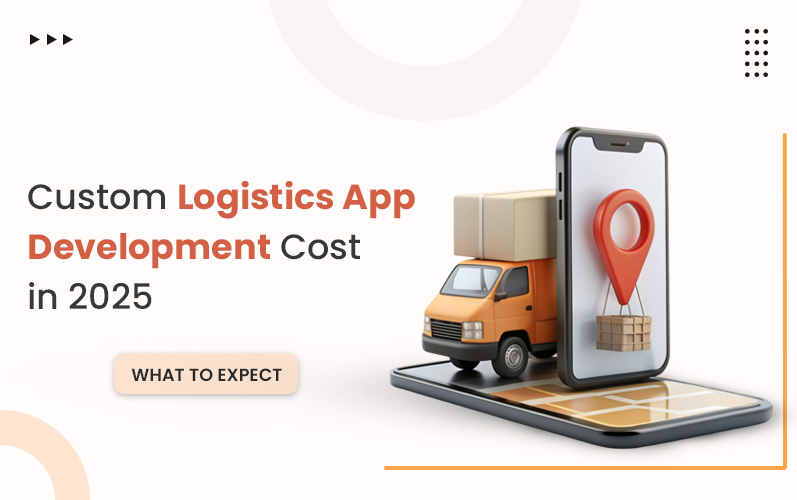
Digital transformation is no longer optional; it’s obligatory in today’s fast-evolving supply chain environment. Recent estimates put the global logistics market at about $10.17 trillion in 2024, growing to roughly $11–12.7 trillion in 2025–2026, and on track to reach $19–24+ trillion by the mid‑2030s depending on the forecast model.
Industry analysts project a compound annual growth rate (CAGR) in the 6–8% range through 2035, fueled by e‑commerce expansion, last‑mile delivery demand, and smarter, tech‑enabled logistics networks. As this sector continues to thrive, understanding the custom logistics mobile app development cost is vital for businesses aiming to gain a competitive edge.
Quick answer
Custom logistics app development typically costs between $30,000 and $150,000+ in 2026, depending on scope, platform, and integrations. Simple MVPs can start around $8,000–$25,000, while enterprise-grade platforms with AI, multi-platform support, and deep ERP/CRM integrations often land in the $80,000–$250,000+ range.
Key takeaways
- Global logistics is a $10–12+ trillion market growing at ~6–8% CAGR, pushing more firms to invest in digital tools.finance.
- A basic logistics MVP can be built for $8,000–$25,000, but full-featured custom apps often cost $50,000–$150,000+.
- Platform choice (iOS vs Android vs both), feature complexity, and third‑party integrations are the biggest cost drivers.
- Ongoing costs matter: expect 15–20% of initial build per year for maintenance, plus server and update expenses.
- For long-term scale and unique workflows, custom apps usually outperform ready‑made solutions despite higher upfront cost.
Types of Logistics Apps & Their Development Costs
There is no one-size-fits-all when it comes to logistics applications. Different apps cater to different operational needs, and each comes with its own development timeline and cost range. Here’s an overview of major logistics app types:
-
Delivery Optimization Tools
These apps are designed to streamline the delivery process. They offer features like real-time tracking, route optimization, digital proof of delivery, and automated notifications for customers. Such apps significantly reduce delivery time and operational costs. The investment for developing delivery optimization apps typically ranges between $20,000 and $50,000, depending on complexity.
-
Warehouse Management Platforms (WMS)
WMS apps are developed to handle large-scale inventory management, automate picking and packing, streamline order fulfillment, and improve stock visibility. They help warehouse teams function more efficiently and reduce errors. The development cost varies from $30,000 to $100,000 based on the depth of features and integrations required.
-
Fleet Tracking Systems
Aimed at logistics firms that manage a vehicle fleet, these apps provide features like GPS tracking, fuel consumption monitoring, maintenance scheduling, and driver performance tracking. A good quality app of this type can cost between $25,000 and $75,000 to develop.
-
Fully Custom Logistic Apps
For businesses with specific operational requirements, custom logistics services app development provides tailored functionalities. From multi-warehouse support to advanced analytics and system integrations, these apps offer end-to-end solutions. Development costs can begin at $50,000 and reach over $150,000, depending on the scope.
Below is an overview of major logistics app types with typical costs and timelines:
| App Type | Typical Cost | Typical Timeline | Best for |
|---|---|---|---|
| Delivery optimization tools | $20,000 – $50,000 | 2–4 months | Courier, last‑mile, and local delivery companies |
| Warehouse management (WMS) | $30,000 – $100,000 | 3–6 months | Distribution centers, 3PLs, large inventory ops |
| Fleet tracking systems | $25,000 – $75,000 | 2–5 months | Companies managing trucks, vans, or mixed fleets |
| Fully custom logistics apps | $50,000 – $150,000+ | 4–9+ months | Multi‑warehouse, multi‑modal, or highly regulated firms |
6 Key Factors That Influence the Cost of Development
Several critical factors determine the cost of custom logistics application solutions. Knowing these parameters helps you plan better and avoid unnecessary expenses:
-
Number and Complexity of Features
The more sophisticated the app features such as real-time fleet tracking, predictive analytics, and integration with ERP systems raise the development cost high. Simpler apps are quicker and cheaper to build.
-
Target Platforms
Building a logistics app for Android, iOS, or both significantly affects costs. Native apps for multiple platforms usually cost more due to separate coding and testing requirements.
-
User Interface (UI) & User Experience (UX)
A clean, modern, and intuitive interface is crucial for usability. However, achieving this design standard demands time and expertise, which can drive up costs.
-
Third-Party Integrations
If the app needs to connect with CRM tools, payment gateways, GPS services, or warehouse APIs, it adds to development time and expense.
-
Development Team Location & Expertise
Hiring a skilled development team impacts the cost. Rates vary depending on geographic location. For example, US-based developers charge more than developers in Eastern Europe or Asia.
-
Testing, Maintenance, and Updates
Post-launch responsibilities like bug fixing, OS compatibility checks, and new feature updates are essential. These add ongoing costs to your project.
Platform-Wise Cost Breakdown of Custom Logistics Apps
Understanding how platform choice impacts custom logistics app development costs can help align your app’s budget with business goals:
-
Android Logistics App
Basic Version: Includes simple scheduling, tracking, or delivery confirmation features. These apps cost between $10,000 and $25,000.
Mid-Level Complexity: Introduces smart route planning, driver performance logs, and dispatch optimization. Costs fall between $25,000 and $40,000.
Advanced Solutions: End-to-end logistics management, real-time analytics, and integration with backend systems. Development costs start from $40,000.
-
iOS Logistics App
Basic Features: These might include user login, delivery status, and push notifications. Expect costs between $15,000 and $30,000.
Medium Complexity: Adds freight forwarding tools, enhanced user dashboards, and real-time coordination—budget $30,000 to $50,000.
Advanced Apps: With extensive automation, AI-enabled route optimization, and enterprise integrations, costs exceed $50,000.
Features & Functionalities That Affect Cost
Adding specific features can significantly influence your custom logistics app development costs. Below is a detailed look:
Supply Chain & Freight Features
Basic tracking and visibility tools cost between $10,000 and $20,000 but enhance transparency and decision-making.
On-Demand Logistics
Inspired by Uber-style platforms, these apps offer real-time dispatching and delivery. Expected development costs range from $15,000 to $35,000.
Full Logistics Management Tools
These tools encompass the entire process from order processing to delivery. Development costs lie between $20,000 and $45,000.
Fleet Monitoring Tools
Apps that manage scheduling, track mileage, and predict maintenance needs add an extra $15,000 to $25,000.
Integration with Existing Systems
If the app needs to sync with ERP, CRM, or legacy systems, integration costs range from $3,000 to $15,000 per API.
Post-Launch Services
Maintenance & Updates: Typically, 15-20% of the original development budget per year.
Server Costs: Can vary from $50 to $500 per month based on data load.
Marketing: Allocating $5,000 to $15,000 helps promote and drive installations.
Platform-Wise Cost Breakdown of Custom Logistics Apps
Understanding how platform choice impacts custom logistics app development costs can help align your app’s budget with business goals. In 2026, basic MVP logistics apps are often quoted in the $8,000–$25,000 range, while more advanced, multi‑platform solutions climb well beyond $40,000–$90,000+.innovecs+1
Android Logistics App
- Basic version – Simple scheduling, tracking, or delivery confirmation features. Typical cost: $10,000–$25,000.
- Mid‑level complexity – Smart route planning, driver performance logs, dispatch optimization. Typical cost: $25,000–$40,000.
- Advanced solutions – End‑to‑end logistics management, real‑time analytics, backend system integration. Costs start from $40,000 and can go much higher for enterprise builds.
iOS Logistics App
- Basic features – User login, delivery status, push notifications. Typical cost: $15,000–$30,000.innovecs+1
- Medium complexity – Freight forwarding tools, enhanced dashboards, real‑time coordination. Budget: $30,000–$50,000.innovecs+1
- Advanced apps – Extensive automation, AI‑enabled route optimization, enterprise integrations. Costs often exceed $50,000, reaching $90,000+ for sophisticated platforms.
Platform Comparison at a Glance
| Platform | Complexity Level | Typical Features | Cost Range |
|---|---|---|---|
| Android | Basic | Scheduling, simple tracking, delivery confirmation | $10,000 – $25,000 |
| Android | Mid‑level | Route planning, driver logs, dispatch optimization | $25,000 – $40,000 |
| Android | Advanced | End‑to‑end management, real‑time analytics, ERP integration | $40,000 – $90,000+ |
| iOS | Basic | Login, delivery status, push notifications | $15,000 – $30,000 |
| iOS | Medium | Freight tools, dashboards, real‑time coordination | $30,000 – $50,000 |
| iOS | Advanced | AI route optimization, enterprise integrations, automation | $50,000 – $120,000+ |
Custom vs Ready-Made Solutions: Which One to Choose?
When comparing ready-made apps to custom logistics app development, consider long-term goals:
-
Ready-Made Logistics Apps
These are cost-effective and fast to deploy. Small logistics companies with standard operations like basic delivery tracking with maximum benefit. However, customization is limited.
-
Custom Logistics Apps
Though initially more expensive, custom apps deliver tailored experiences. They can align with specific workflows, regulations, and operational demands. Medium to large logistics businesses find them far more scalable and sustainable in the long run.
Ways to Save Money on App Development
Reducing your logistics app development cost is possible without compromising on quality:
-
Launch an MVP First
Begin with core features to test usability and gather real-world feedback before expanding.
-
Use Open-Source Tech
Leveraging existing open-source platforms can reduce both time and costs.
-
Define Feature Priorities
Identify essential features that deliver the most value, and plan additional ones in future updates.
-
Strategic Outsourcing
Hire experienced offshore developers or agencies to reduce hourly costs while maintaining expertise.
-
Integrate Existing Tools
Reuse what you already have—software, databases, or APIs—to avoid reinventing the wheel.
-
Invest in Analytics
Early implementation of analytics helps reduce operational waste and improves ROI.
-
Regular Micro-Updates
Instead of large overhauls, schedule smaller, frequent updates to save costs and stay current.
How to Select the Right Logistic App Development Partner
To control your logistics software development cost and ensure a high-quality result, choose a skilled team:
-
Industry Experience
Choose a team familiar with the logistics domain. They’ll know the right features to include and pitfalls to avoid.
-
Portfolio Evaluation
Review previous projects to assess their development quality, visual appeal, and performance.
-
Technical Strength
Ensure the team is adept with relevant technologies like Flutter, React Native, Node.js, and AWS for scalability.
-
Good Communication
Select a team that communicates clearly, shares regular progress updates, and welcomes your feedback.
-
Transparent Pricing
Ask for a detailed proposal outlining cost, timeline, and deliverables. Avoid teams with vague pricing models.
-
Reliable Support
Post-launch support is crucial. A responsible team will provide continuous maintenance, bug fixes, and feature enhancements.
Conclusion
Investing in custom logistics app development is a strategic move for companies wanting to stay ahead in a booming industry. With thoughtful planning, the right partner, and a clear understanding of cost components, your app can deliver long-term operational efficiency. Partner with The Tech Clouds (TTC) to transform your logistics vision into reality. Contact TTC today and start your logistic app journey with ease!

Frequently Asked Questions
How much does it cost to maintain a logistics app after launch?
Logistics app maintenance typically costs 15–20% of the initial development budget annually, covering bug fixes, performance updates, compatibility upgrades, and customer support to ensure long-term app functionality.
What are effective ways to reduce logistics app development costs?
Save money by starting with an MVP, using open-source tools, prioritizing core features, outsourcing wisely, reusing existing systems, and applying analytics to avoid waste and improve decision-making.
How can a logistics app benefit my transport or delivery business?
A logistics app improves real-time tracking, automates deliveries, enhances route planning, increases customer satisfaction, reduces manual errors, and provides data insights—making your transport operations efficient and cost-effective.
What’s the best way to develop a logistics app for iOS and Android together?
Opt for cross-platform frameworks like Flutter or React Native. These allow you to build one codebase for both platforms, reducing development time, cost, and ensuring a consistent user experience.
Why is post-launch maintenance important for logistics apps?
Post-launch maintenance keeps your app functional by fixing bugs, ensuring security, adding new features, and maintaining compatibility with system updates—essential for consistent performance and user satisfaction.
What elements determine the total cost of building a logistics app?
App cost depends on feature complexity, number of platforms, UI/UX design, development team's expertise, integrations, testing, and ongoing support. Each factor contributes to the final logistics app development cost.
Recent Posts






Related Blogs

Cloud Application Development in 2027: Trends, Technologies, and Best Practices
The global cloud application development market is expanding rapidly. It is $450.1 billion in 2026 and is projected to reach $806.91 billion by 2030, with a 15.7% CAGR over the...

How Do You Choose the Right Cloud Provider for Your Migration?
Picking a cloud provider for a migration isn't like picking a laptop. You're handing over your data, your uptime, and a good chunk of your budget for years. The wrong...

AI App Development Trends 2027: What Businesses Need to Know
A CTO opens two dashboards side by side. One is his competitor's; the other is his own. The competitor's page was built on an AI system that tracks customers' order...

High CPU Usage on Your Server: Causes, Diagnosis, and Fixes
Suddenly your server feels sluggish? You have seen all requests timing out, and the dashboard showing a red signal screaming: CPU at 100%. Do you know what that sign means...

Why Does My Server Keep Crashing? Common Causes and Fixes
Has your server crashed in the middle of a critical deployment, taking your uptime, your revenue, and peace of mind with it? You’re not alone. Every year, businesses lose thousands...
Common Server Problems and How to Fix Them: The Complete Guide
KeyTakeaways Most slowdowns occur when CPU stays above 90%, and disk I/O wait exceeds 10–20ms. Focusing on DNS authentication and strengthening firewall rules can prevent network hiccups, which are a...

How The Tech Clouds Built a Smarter Website & Server Monitoring Solution
Your website looks nice; nothing felt off. The server seems to be up; who knows? But then you wake up at 2 AM to check whether everything runs as you...

How to Speed Up Your WordPress Site: The Ultimate Optimization Guide
You have gone above and beyond to build your WordPress site, but when a visitor arrives, the loading wheel starts spinning. First 3 seconds gone, then five and so on....