


Customer Relationship Management in Hospitality: A Path for Long-Term Success
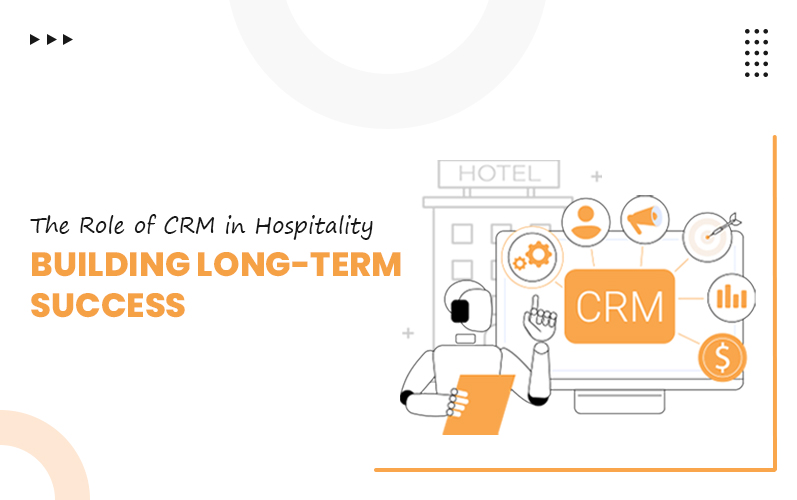
Suppose you enter a hotel, and the receptionist greets you by your name, knows about your likes and dislikes, and you don’t even need to fill out the form. This happens not because you’re on good terms with the receptionist. This happens because of one essential hospitality management tool: CRM (Customer Relationship Management).
Customer relationship management (CRM) in the hospitality industry is an indispensable tool that understands, communicates, records, and recalls every detail that helps you retain customers and make their journey easy. It combines guest data, personalized services, marketing automation, feedback management, and loyalty-building activities to improve guest satisfaction and thus increase revenue. CRM software is an absolute boon for hotels, resorts, restaurants, and other hospitality businesses.
Key Takeaways:
- CRM in hospitality manages guest interactions from inquiry and booking through checkout and future visits.
- It helps hotels, resorts, restaurants, and travel businesses personalize guest experiences and improve satisfaction.
- CRM can support guest loyalty, repeat bookings, direct bookings, upselling, and revenue growth.
- It brings guest data, preferences, feedback, and communication history into a centralized profile.
- Hotels can use CRM to segment guests, automate follow-ups, track performance, and make data-driven decisions.
- Key metrics include repeat-guest rate, retention rate, direct-booking percentage, guest lifetime value, and CRM campaign revenue.
TL;DR: How CRM Drives Hospitality Success
Customer relationship management (CRM) helps hospitality businesses turn guest data into personalized, consistent experiences that increase satisfaction, loyalty, and repeat bookings. By centralizing guest preferences, stay history, feedback, and interactions, hotels can automate routine processes, deliver relevant offers across channels, resolve problems faster, and make better operational and marketing decisions.
What is CRM in the Hospitality Industry?
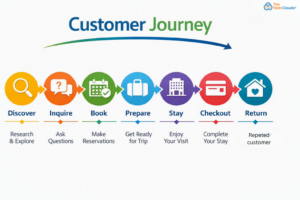
Customer relationship management (CRM) in the hospitality industry is an important tool to manage guests throughout the entire customer journey. Starting from the first inquiry and booking to the stay, checkout, feedback, and future visits.
The objectives of A Scalable CRM are to improve guest satisfaction, personalize service, build loyalty, increase repeat business, and grow revenue.
By offering scalability, it helps businesses maintain exceptional service at every level, especially for hospitality brands like hotels, resorts, restaurants, or travel businesses, helping them to deliver services that can build memorable experiences.
The Lifecycle of Guest in Hospitality Industry
Why Customer Relationship Management is Crucial in Hospitality
The hospitality industry thrives on relationships and repeat business. So, let’s see where CRM Development Services become essential:
- Improves Guest Satisfaction: When staff already know a guest’s preferences, service becomes evident, leaving no doubt.
- Increases Loyalty: CRM-driven hospitality services make customers feel valued. This experience may seem small, but it can turn guests into loyal, long-term customers.
- Encourages Repeat Bookings: Guests often remember a memorable past experience rather than discounts.
- Improves Revenue: Good CRM practices in hotels enhance the guest’s one-time journey, which is likely to increase upsells and ensure offers land at the right moment instead of feeling random.
- Improves Customer Service: Even staff can provide better service as there is no room for guesswork. CRM helps them remember every single detail related to the customer.
- Encourages Direct Bookings: A hotel that knows its guests directly doesn’t need to rely so heavily on third-party travel sites.
- Identifies Valuable Customer Segments: Not every guest is worth the same marketing effort, and a CRM-driven hospitality approach makes that visible.
- Streamline Operations: CRM automates bookings and check-ins. It frees staff to focus on service quality and enhance guest interactions.
- Making Smarter Decisions: Strategic CRM provides deep analytics on guest behavior and preferences. These insights help shape smarter marketing and modern UI/UX Design trends.
- Measures Marketing and Retention Performance: Any custom CRM for hospitality businesses should clearly show which campaigns bring guests back.
How CRM Works in Hospitality
- It pulls guest data from bookings, past stays, feedback forms, and loyalty activity into a single profile.
- Handles repetitive communication—confirmations, reminders, post-stay surveys—so staff doesn’t have to send them manually.
- Automatically flags known preferences, so returning guests don’t have to repeat themselves at check-in.
- Groups guests by behavior or spend, enabling targeted offers instead of blanket emails.
- Keeps a record of every interaction, whether it happened over email, phone, or at the front desk.
- Catches early signs of a guest drifting away, before it becomes a lost booking.
- Gives sales, marketing, and front-of-house the same information, so nobody’s working off outdated notes.
- Feeds real guest data back into decisions about pricing, staffing, and promotions.
How to Strategically Implement CRM in Hospitality Businesses
- Clean and centralize guest data first. Automation on top of messy data just automates the mess.
- Pick hotel CRM software that actually talks to your existing booking and property management systems.
- Map out the guest lifecycle before deciding where automation should step in.
- Train staff to use guest profiles in real time, not just glance at them during a marketing push.
- Build segments around what guests actually do, not assumptions about who they are.
- Test a custom CRM for hospitality businesses on one property or team before rolling it out everywhere.
- Decide on ROI measurement strategies early — repeat-guest rate and direct bookings are a reasonable place to start.
- Revisit CRM practices in hotels every few months, since guest expectations shift faster than most systems keep up with.
Measuring CRM Performance
A few metrics worth watching:
- Repeat-guest rate
- Direct-booking percentage
- Customer retention rate
- Guest lifetime value
- Loyalty-program enrollment and activity
- Email, SMS, and offer conversion rates
- Upsell and cross-sell revenue
- Complaint-resolution time
- Guest satisfaction and review scores
- Revenue generated by CRM campaigns
A Quick Example
Picture a situation. A guest who’s stayed three times already in your hotel comes back another day. She prefers a high-floor room, and every time she booked, she added breakfast. She also arranged airport pickup and drop through the hotel.
Here are steps a custom hotel CRM can take to make her feel more special and valued, and provide a better, more memorable experience.
- Offer her a high-floor room without her having to ask.
- Have airport pickup & drop already arranged.
- Suggest breakfast during checkout of the booking process.
- Send her a small loyalty perk.
- Follow up for feedback once she’s checked out.
None of that feels like marketing to her. Instead, she would like to come to your hotel every time, as it makes her journey more memorable. For the hotel, that means a smoother stay and a few extra bookings along the way.
How to Strategically Implement CRM in Hospitality Business
Effective CRM is not just about software; it’s about strategy. With a knowledgeable customer relationship management consultant, hospitality brands can build systems that integrate seamlessly into every stage of the guest journey. Here’s how this is implemented:
Customer Intelligence Management
The core of customer relationship management in the hospitality industry lies in structured data collection, booking history, feedback, and preferences. Accurate data allows businesses to form detailed guest profiles and personalize experiences that guests remember.
Personalization & Smart Segmentation
By segmenting guests based on demographics, booking habits, or interests, hotels can deliver more relevant communication and promotions. Whether targeting frequent business travelers or leisure guests, segmentation increases engagement and boosts conversions.
Tailored Experiences Across Channels
Multi-channel interaction is vital. Whether via mobile, email, social media, or on-site, communication must be timely and consistent. CRM tools connect all interactions, enabling smoother, more impactful conversations and experiences.
Proactive Service Recovery & Loyalty Building
Promptly addressing feedback builds trust. With hotel customer relationship management, businesses can quickly identify pain points, act on negative reviews, and resolve issues in real-time, turning potential detractors into loyal advocates.
Loyalty Rewards That Resonate
CRM-backed loyalty programs track customer engagement and offer rewards that matter. Whether it’s exclusive offers or tiered membership benefits, these programs incentivize return visits and deepen brand loyalty.
Read More: 12 Best CRM Plugins for WordPress
Strategic Ways to Strengthen Guest Loyalty
Studies show that if CRM is implemented effectively, it can increase hotel bookings by up to 23%. This highlights the importance of using CRM not just for management, but as a powerful loyalty-building strategy in hospitality. Some potent strategies are documented below:
Deliver Consistency Every Time
A consistent service standard comes with cleansing the room punctually, providing quality food, and friendly staff to form the backbone of trust. When guests know what to expect, they’re more likely to return and recommend the brand.
Craft Meaningful Personal Touches
Beyond names, personalization means anticipating guests’ needs. A welcome card, preferred snacks, or activity suggestions based on past interests elevate the experience and show genuine care.
Omnichannel Guest Engagement
For gaining trust, staying visible is necessary. Engaging with guests through email, social media, and in-person strengthens bonds. CRM tools track these interactions, ensuring each touchpoint is contextual and timely powered by hotel-focused CRMs.
Loyalty Programs That Reward Right
Great loyalty programs feel exclusive, not transactional. Offer personalized rewards, VIP experiences, and simple redemption processes. Such features drive repeat bookings and nurture emotional loyalty.
Stay Connected After the Stay
Don’t let the relationship end at the checkout. Post-stay follow-ups, thank-you emails, and exclusive offers help keep your brand top of mind. Smart CRM systems, like hotel customer relationship management tools, power this extended engagement.
Read More: Why CRM Adoption Fails and How to Fix It
Struggling to Manage Guest Relationships or Hotel Operations?
Conclusion
Customer relationship management in the hospitality industry is no longer optional; it’s a game-changer for thriving your business in this expanding market. By adopting robust CRM strategies, businesses can offer tailored guest experiences, optimize operations, and foster deep loyalty. At The Tech Clouds (TTC), we specialize in helping hospitality brands implement powerful CRM solutions that scale with your success. Let us help you build lasting guest relationships and a future-proof hospitality experience. Contact TTC to enhance guests’ experience with amazing CRM solutions!

Frequently Asked Questions
Can TTC assist with CRM training for hospitality staff?
Yes, TTC provides comprehensive CRM training to ensure your team is confident and efficient in using the system.
Why choose TTC for CRM development services in hospitality?
TTC specializes in hospitality CRM solutions, offering personalized features, expert guidance, and ongoing support for long-term success.
How does CRM improve the guest experience in hospitality?
A hospitality CRM collects guest preferences, booking history, feedback, and interactions in one place. Hotels can use this information to provide more personalized services, faster responses, and consistent experiences throughout the guest journey.
What are the key features of a hospitality CRM?
Key features typically include guest profile management, reservation tracking, customer segmentation, automated communication, feedback management, loyalty programs, reporting, analytics, and integration with other hospitality systems.
How does CRM help hotels increase repeat bookings?
CRM systems identify returning and high-value guests and allow hotels to send personalized offers, loyalty rewards, and follow-up communications. This helps maintain relationships after checkout and encourages guests to book again.
Can CRM systems personalize hotel services?
Yes. CRM systems can use information such as room preferences, previous bookings, dining choices, special requests, and guest feedback to help hotels deliver more personalized services.
How does CRM support hotel marketing?
CRM helps hotels segment guests according to factors such as booking history, preferences, location, and travel behavior. Marketing teams can then create targeted campaigns and personalized promotions for different guest groups.
Recent Posts






Related Blogs
How CRM Software Transforms Small Businesses
Running a small business often means wearing multiple hats. One moment you’re responding to customer inquiries, the next moment you’re following up on unpaid invoices or trying to remember which...
Why CRM Adoption Fails and How to Fix It
Over 90% of businesses in today's world invest in CRM tools. Among them, nearly 70% of CRM projects fail to deliver expected results. Why is such a huge gap? Poor...
What’s the difference between a CRM and a CDP?
CRM stands for Customer Relationship Management. On the other hand, CDP means Customer Data Platform. People often become perplexed with these two terms. Most of them think that they are...
CRM Automation Trends That Will Dominate 2026
As we've stepped into 2026, we have to follow some fresh perspectives for handling customer relationships. That's why CRM automation continues to grow fast. More companies are using smart systems...
How a Custom CRM Can Boost Customer Retention and Lifetime Value
Research shows that targeted marketing can lift conversions by up to 10%. With data-driven tools, businesses can effectively segment audiences and personalize content based on preferences. Automated messaging helps sustain...
How to Choose the Best Project Management Tool: A Complete Guide
Choosing the best project management software can seem like a daunting task, especially when you’re just starting to understand what project management truly entails. Moreover, it often feels overwhelming and...
How CRM Software Transforms Cleaning Businesses: The Complete Guide to Automation & Revenue Growth
The cleaning industry is rising unexpectedly fast. Customers want fast replies and easy booking. No more mix-ups or waiting around. Sticky notes and spreadsheets worked when you had five clients....
12 Best CRM Plugins for WordPress
Managing customer relationships efficiently in today’s digital world is vital to success. For WordPress users, CRM plugins offer a simple yet powerful way to handle leads, automate workflows, and drive...