


What is Ecommerce Replatforming: A Detailed Guide
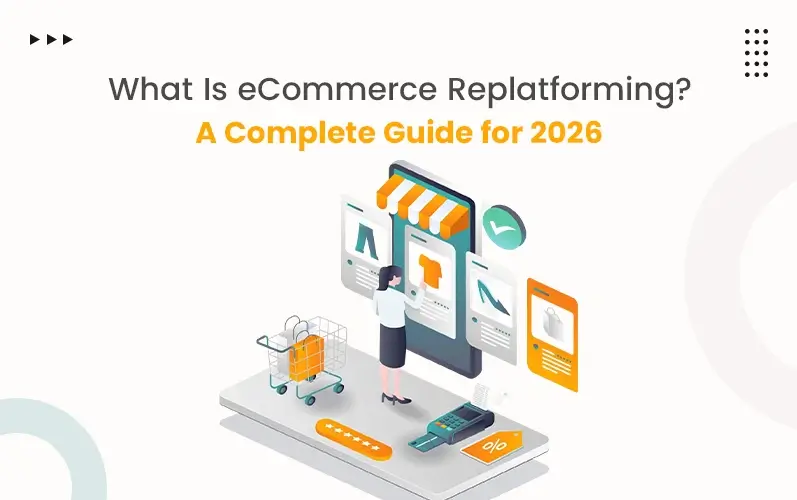
The e-commerce landscape is evolving at an unmatched speed to meet customer expectations. Global eCommerce sales are projected to exceed $8 trillion by 2027.
This is why shifts drive brands towards e-commerce replatforming. Using this method, businesses get a competitive edge and scale exponentially. Ecommerce replatforming improves website performance and conversion rates.
In this blog, you’ll learn what eCommerce replatforming is and why businesses opt for it. It also covers the key benefits and challenges of eCommerce replatforming and how it differs from the eCommerce migration process.
Key Takeaways:
- Ecommerce replatforming helps businesses improve performance and scale faster.
- It brings numerous benefits for businesses and possesses some challenges also.
- A proper eCommerce replatforming checklist reduces risks and errors.
- Choosing the right eCommerce migration strategy protects SEO and data.
- Expert support from an eCommerce replatforming consultant ensures smoother and efficient transitions.
What Is Ecommerce Replatforming?
Ecommerce replatforming means moving your online store from one platform to another. This process improves the performance, flexibility, and growth potential of your online business. Store redesign. Features upgrade. Integration improvements. All these are involved in the replatforming process.
If your platform struggles with limited growth and slow speed, then follow the Ecommerce Replatforming checklist. This is the most effective way for businesses to reduce high maintenance costs.
Why Do Companies Do It?
Companies often choose an eCommerce replatforming strategy when their current systems limit growth. Common reasons include:
Slow Site Performance:
When your store becomes sluggish, it affects user experience and conversions. It often pushes businesses towards faster platforms.
Lack of Scalability:
When traffic increases, outdated systems struggle to scale. This issue makes replatforming eCommerce a smart and reliable choice.
Limited Customization:
Old platforms often feel restricted when your business operations and customer base expand. Customization options are limited. Then, replatforming eCommerce is the best decision.
High Maintenance Costs:
Legacy systems demand constant fixes. These problems increase operational expenses over time. Then adopting an e-commerce replatforming strategy is the most suitable option.
Weak SEO or Mobile Experience:
Over 70% of online orders are done through mobile phones. In this scenario, if your site isn’t mobile-responsive or you’re using a novice SEO strategy, then your sales will be affected. To make them better, opting for replatforming is an optimal solution.
Limited Integrations (CRM, ERP, payment gateways):
Businesses don’t just depend on eCommerce platforms. It has to depend on other systems also. CRM. ERP. Payment gateways. All are present to run your business well. When you feel integrations are confined and restrict your growth, then e-commerce replatforming is the most preferred option.
When to Choose Replatforming:
Replatforming is the best choice when you experience these issues:
- Current platform limits your growth and performance.
- Customization and UX need improvement.
- Strong integrations and mobile responsiveness are needed.
Key Benefits of Ecommerce Replatforming
Improve Site Speed and UX:
Ecommerce replatforming improves loading speed. Faster websites reduce bounce rates and keep users engaged. A smooth UX encourages customers to browse more and complete purchases. This approach directly impacts customer satisfaction, retention, and increased sales.
Boost SEO Rankings and Organic Traffic:
Businesses can improve technical SEO by implementing a thorough eCommerce replatforming checklist. Better site structure. Faster loading. Mobile Optimization. All are included in the eCommerce replatforming process. That’s why this strategy effectively increases organic traffic and visibility over time.
Increase Conversion Rates:
Modern platforms offer better checkout processes, personalization, and responsiveness. These improvements make it easier for users to complete purchases. Thus, leading to higher conversion rates and improved revenue outcomes.
Enable Omnichannel Selling (web, mobile, marketplaces):
Replatforming eCommerce allows businesses to sell across multiple channels. Whether it’s websites, marketplaces, or social platforms, you can sell effectively using this plan. This helps expand your business and provide a unified shopping experience.
Reduce Long-Term Operational Costs:
Although initial investment is higher, modern platforms reduce maintenance needs. Automation. Easy Integrations. Better Scalability. Wide Flexibility. All you’re getting at an affordable price. Lower long-term costs with better operational efficiency—everything you will achieve in the replatforming procedure.
Read more: Complete Ecommerce Replatforming Checklist
Key Challenges of E-commerce Replatforming
Replatforming isn’t risk-free. It involves several challenges that businesses must manage carefully.
Data Migration Issues (products, customers, orders):
Data migration is a core part of the eCommerce replatforming process. This is one of the most complex steps. Errors or data loss, if they occur once and are not handled carefully, may affect product details, customer records, and order history.
SEO Impact Risks:
Changes in URLs or site structure can affect rankings. If replatforming isn’t done by expert hands, then businesses may experience significant drops in traffic and visibility. Hire SEO experts or an experienced eCommerce migration team to avoid these issues.
Downtime or Technical Bugs:
During transition, websites may face downtime or unexpected issues. These disruptions can negatively impact user experience. They may also lead to lost sales if not managed well.
High Upfront Cost:
However, long-term maintenance expenses are lower after replatforming; still, it has high upfront costs. This is natural because eCommerce replatforming includes several steps. Development. Design. Software testing. Migrating data—everything is involved in this single procedure.
Time Consuming Process:
Ecommerce replatforming takes strategic planning and careful execution. High-level technical expertise is required to perform the overall procedure. Contact an experienced e-commerce replatforming consultant for smooth execution.
Read More:
Read Related Blogs:
Switch from Wix to Shopify smoothly. Learn key steps, avoid migration mistakes, and unlock scalability, better SEO, and higher conversions for your online store.
Upgrade Your eCommerce Store for Better Growth Today!
Final Thoughts
Ecommerce replatforming isn’t a trend; it’s a strategic necessity for your businesses. It helps businesses stay competitive in an ever-changing digital landscape. A reliable partner can simplify the complexities of replatforming and make your online shop future-ready.
We, The Tech Clouds (TTC) specialize in eCommerce replatforming procedures. Our expert team also develops a professional eCommerce migration strategy and performs them effectively.
If you’re considering eCommerce replatforming or any custom eCommerce development services, then contact our team soon. Talk to our eCommerce consultants to know which platform works well for your business.
To learn more about replatforming checklist, go through this weblog and understand how our team carries out the replatforming process.

Frequently Asked Questions
Is there a risk of losing customer or order data during replatforming?
When executed properly, there should be no loss of customer or order data during replatforming. To ensure data safety, it’s essential to back up all data. Map data structures accurately and thoroughly test the migration process. Businesses can also opt for phased migration strategies. Experienced partners like The Tech Clouds (TTC) can further minimize risks.
Why do businesses choose to replatform their eCommerce systems?
Companies typically consider eCommerce replatforming when their existing platform no longer meets their needs in terms of performance, scalability, functionality, or cost-efficiency. Replatforming allows them to upgrade to a more capable solution without having to build a system entirely from scratch.
How can businesses reduce the impact of replatforming on customers and daily operations?
Minimizing disruption requires careful planning, clear execution, and continuous communication. Businesses should define clear goals and test thoroughly at each step of replatforming eCommerce. They need to maintain backups and keep customers informed about any potential downtime. Implementing a phased migration approach can also help ensure smoother transitions with minimal operational impact.
What factors should be considered when planning an eCommerce replatforming strategy?
Key considerations include data migration, website design, and integration with third-party tools. Additionally, change management plays a crucial role in helping teams adapt to the new platform. Collaborating with a reliable and experienced partner ensures a smoother transition and helps avoid common challenges during the replatforming journey.
Recent Posts






Related Blogs

Cloud Application Development in 2027: Trends, Technologies, and Best Practices
The global cloud application development market is expanding rapidly. It is $450.1 billion in 2026 and is projected to reach $806.91 billion by 2030, with a 15.7% CAGR over the...

How Do You Choose the Right Cloud Provider for Your Migration?
Picking a cloud provider for a migration isn't like picking a laptop. You're handing over your data, your uptime, and a good chunk of your budget for years. The wrong...

AI App Development Trends 2027: What Businesses Need to Know
A CTO opens two dashboards side by side. One is his competitor's; the other is his own. The competitor's page was built on an AI system that tracks customers' order...

High CPU Usage on Your Server: Causes, Diagnosis, and Fixes
Suddenly your server feels sluggish? You have seen all requests timing out, and the dashboard showing a red signal screaming: CPU at 100%. Do you know what that sign means...

Why Does My Server Keep Crashing? Common Causes and Fixes
Has your server crashed in the middle of a critical deployment, taking your uptime, your revenue, and peace of mind with it? You’re not alone. Every year, businesses lose thousands...

Common Server Problems and How to Fix Them: The Complete Guide
KeyTakeaways Most slowdowns occur when CPU stays above 90%, and disk I/O wait exceeds 10–20ms. Focusing on DNS authentication and strengthening firewall rules can prevent network hiccups, which are a...

How The Tech Clouds Built a Smarter Website & Server Monitoring Solution
Your website looks nice; nothing felt off. The server seems to be up; who knows? But then you wake up at 2 AM to check whether everything runs as you...
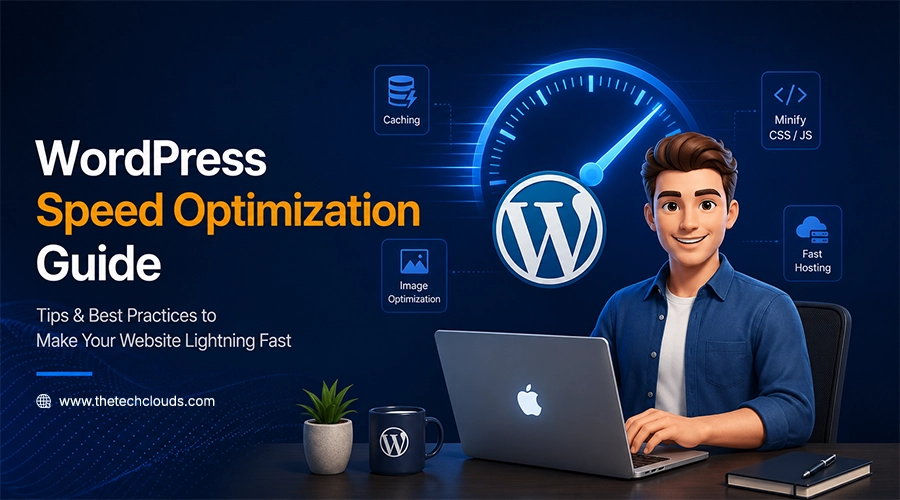
How to Speed Up Your WordPress Site: The Ultimate Optimization Guide
You have gone above and beyond to build your WordPress site, but when a visitor arrives, the loading wheel starts spinning. First 3 seconds gone, then five and so on....