


Best Technologies for Web Application Development in 2026
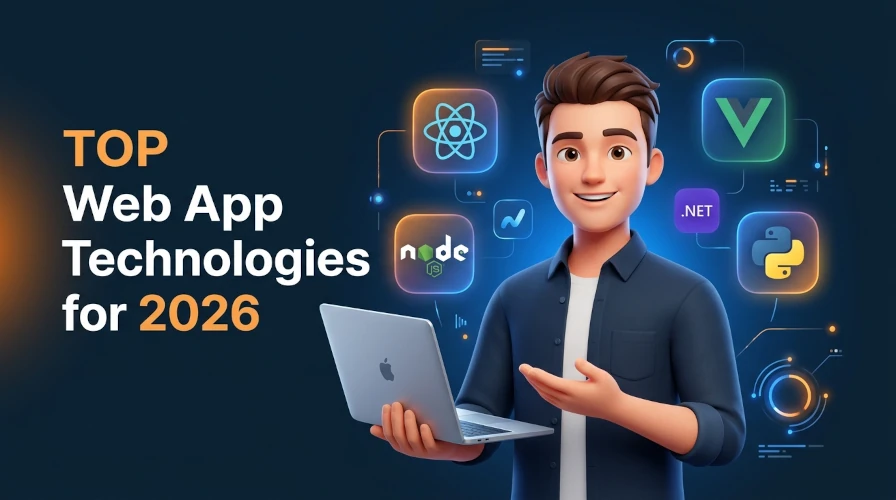
Web application development has changed a lot even in the last couple of years. Frameworks keep moving; people expect pages to load within a second, and sticking with outdated tools just doesn’t cut it anymore. Whether you’re a developer or a founder, choosing the right stack helps scope out a new product and save you a fair amount of trial and error.
This blog explains the right web app technologies, latest web technologies trends, the reasons behind using them, and how to choose the right stack.
Key Takeaways:
- React and Next.js are still the ones to know, especially when speed and SEO both matters.
- Between Node.js and Python, it usually comes down to what your team already knows best.
- Startups tend to move faster with MERN, while bigger teams lean toward MEAN for the structure.
- Docker and Kubernetes aren’t rivals, they work as a pair once your app needs to scale.
- The right stack matters less for looks and more for how easily your app grows later.
What are Web Technologies?
Think of web technologies as the building blocks behind anything you use in a browser. That’s your frontend frameworks, backend languages, databases, and the general web development tools developers reach for every day. Hire web developers to put everything together. They decide whether your site or app feels fast, secure, and built to last.
Top Frontend Technologies in 2026
React.js
React’s still the name most teams reach when building anything interactive. The component setup and the sheer size of its community make it a safe bet, whether you’re building a dashboard or a full storefront.
Next.js
Next.js takes React and adds server-side rendering plus static generation on top. It’s usually the first pick when speed matters, and you need web applications that are SEO-friendly right out of the gate.
Vue.js
Vue has an easier learning curve but doesn’t skimp on flexibility once your team grows. It works well for developers who want some structure without React’s steeper setup process.
Tailwind CSS
Tailwind cut down a lot of the custom CSS grind with its utility classes. Most frontend teams now lean on it to keep styling consistent, even across bigger, messier projects.
Top Backend Technologies in 2026
Node.js
Teams like Node.js because it lets them write JavaScript on the frontend and backend both, so there’s less switching gear mid-project. Hire Node.js developers handle real-time stuff and heavy traffic loads pretty comfortably.
Python (Django / Flask)
Django and Flask are still the names people reach for with Python backends. Django’s built for bigger, more structured projects, while Flask is the one you grab when you want something smaller and easier to bend.
Laravel (PHP)
PHP owes a lot of its staying power to Laravel. Clean syntax, plus auth, routing, and queues already built in, make it a solid choice when a content-heavy site needs to go live fast.
.NET Core
Backed by Microsoft, .NET Core gives enterprise teams something fast that also runs across platforms. It’s the kind of framework you pick when your app needs to stick around and stay supported for years.
Full Stack Technologies
MERN Stack
MERN brings together MongoDB, Express, React, and Node under one JavaScript roof. Startups often lean on it for web application development projects they need to build fast and intuitive web apps. Hire MERN Stack developers to create user-friendly web apps without switching languages to mid-build.
MEAN Stack
MEAN brings together MongoDB, Express, Angular, and Node, all under JavaScript. It works well for large enterprise apps and dashboards where Angular’s strict structure actually helps teams stay organized as things scale. It fits larger teams that would rather follow strict conventions than chase frontend flexibility.
Top Web Development Trends to Watch in 2026
AI Integration
AI is popping up everywhere now, chatbots, smart searches, content suggestions, you name it. Teams are baking it directly into products these days instead of tacking it on afterward.
PWAs
Progressive Web Apps (PWA) are blurring the line between a website, and a proper app. Users get offline access, push notifications, and app-like speed without ever visiting an app store.
CMS Architecture
Headless CMS setups keep replacing the old-school platforms by separating content from design entirely. That gives developers room to build the frontend however they actually want.
Edge Computing
Running data closer to the user cuts down the latency in a real way. Edge computing is turning into the norm for apps that need instant responses no matter where people are.
WebAssembly
WebAssembly lets the near-native performance code run right inside the browser. It’s making room for heavier stuff, video editors, games, that used to feel out of place online.
Motion UI
Small animations and micro-interactions aren’t just nice extras anymore; they’re expected. Done well; motion guides people through a page instead of just dressing it up.
Serverless Architecture:
When your team implements serverless architecture, you just need to pay for what you’re using. It works well when unpredictable traffic comes without any constant infrastructure upkeep.
Web3 & Blockchain
Blockchain features are quietly making their way into mainstream apps, payments, identity checks, that sort of thing. Adoption is still fairly niche, but the tooling around it keeps getting better.
Best Databases for Web Development
SQL
PostgreSQL and MySQL are still your safest bet when data needs to stay structured. If your app depends on strict consistency and relationships that are clearly mapped out, SQL is where you land.
NoSQL
MongoDB and its NoSQL cousins are built for data that doesn’t sit neatly in rows and columns. When an app needs to scale quickly without getting locked into rigid table structures, this is the direction to go.
Cloud & DevOps Solutions
AWS or Azure or Google Cloud
The AWS vs. Azure vs. Google Cloud decision usually comes down to what your team already knows and what infrastructure you’re already running. All three scale fine, so pricing and support end up deciding it.
Docker & Kubernetes
The Docker vs. Kubernetes conversation isn’t really a rivalry once you understand it. Docker’s job is packing your app into containers. Kubernetes then takes over from there, handling how those containers get managed and scaled across your servers.
Why Choose the Right Technology Stack Matters?
- Your stack decides how fast your app actually loads, not just how it looks.
- A rushed tech choice today often turns into an expensive rebuild later.
- Solid web application development services always start with the stack, not the code.
- Scalability comes down to your stack far more than your marketing spend.
- Hiring gets a lot easier when your stack matches what most developers already know.
How to Choose The Right Technology Stack?
- Start by sizing up your project, a blog and a marketplace need completely different stacks.
- Look at long-term community support before jumping on something shiny and new.
- Match the stack to what your team already knows, or you’ll slow everything down.
- Think about hosting costs and scaling needs early, not after you’ve already launched.
Still unsure? Talk to the real people who provide web development services every day and offer better results down the line. They are known for the facts that really work.
Closing Notes
Your tech choices shape how fast, cheap, and easy your app is to maintain down the road. Getting web application development right from the start saves your team months of painful rework later. Feeling stuck on which stack fits? The Tech Clouds (TTC) builds, tests, and scales web applications for teams who’d rather launch faster than second-guess every decision.

Frequently Asked Questions
Do I really need Kubernetes for a small project, or is that overkill?
Honestly, for most small projects, it's overkill. Kubernetes shines once you're dealing with heavy traffic or multiple services that need scaling. A small app usually runs fine on Docker alone, no orchestration needed.
Does The Tech Clouds (TTC) only build with modern stacks like MERN or MEAN?
Not at all, we pick whatever actually fits your project instead of pushing one stack because it's trendy. Sometimes that's MERN, sometimes it's something older and more stable depending on what you need.
How involved do I need to be while The Tech Clouds (TTC) builds my web app?
As much or as little as you want. We keep you updated at each stage, but you don't have to sit through every technical decision, we'll flag anything that actually needs your input.
Recent Posts






Related Blogs

How to Speed Up Your WordPress Site: The Ultimate Optimization Guide
You have gone above and beyond to build your WordPress site, but when a visitor arrives, the loading wheel starts spinning. First 3 seconds gone, then five and so on....

App Development Cost by Country in 2027: USA vs UK vs India
You may want a web app or mobile app with almost the same features, but you’re still getting three different quotes from three different agencies in three different countries. App...
How to Hire Dedicated Developers: A Complete Guide from Scratch
Most businesses don't plan to outsource. It happens when your internal teams can’t cope with the demands of the existing market. Suppose a project that requires something which your present...

The 7 Phases of Web Development: From Idea to Launch
Anyone can think of a website design while working late at night or doing a job at dawn, but the problem hits when it comes to turning it into reality....
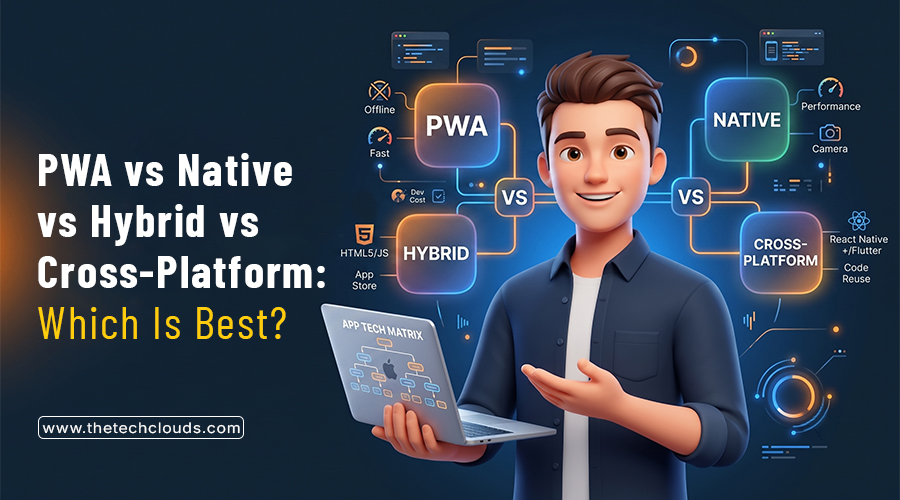
Mobile App Development in 2026: PWA vs Native vs Hybrid vs Cross‑Platform – Which Is Best for Your Business?
Ask five developers about the best way of building mobile apps in 2026. There’s no doubt in this that you’ll get five different answers. Some swear by natives, whereas others...
Why Your Website Is Slow and How the Right Development Framework Solves It
Ever clicked on a site and just... left before it even loaded? You're not alone, and neither is your website if it's doing the same thing to its visitors. Mainly,...

Custom Web Design on a Budget: A Practical Guide
You run a business but have no website. This approach may have worked a decade ago. But in today's world, having a website is mandatory, especially if you’re running an...
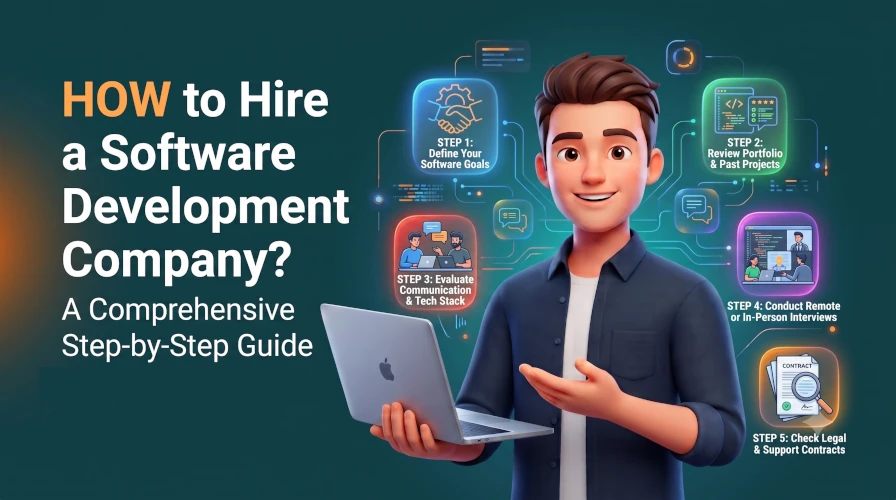
How to Hire a Software Development Company in 2026: Complete Buyer’s Guide
You handed them one project. A simple login page. The deadline passed, but nothing worked as expected. If it sounds like your case, then put effort into finding the right...