


E-commerce Website Development: An Overview Of Why You Need It?
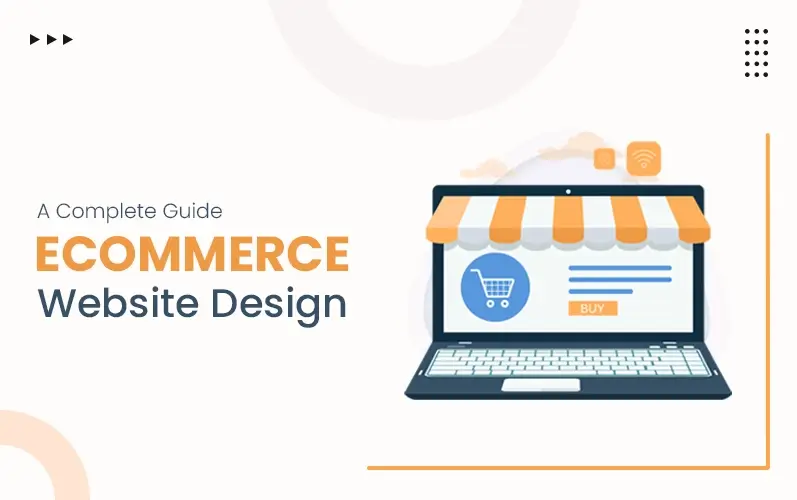
The ecommerce business has been growing fast, and in 2026, it’s bigger than ever.People expect smooth online experiences. They are now more used to the quick checkout and easy access to products anytime, anywhere. That’s why having ecommerce websites is not just about selling things; it’s about creating a growth channel.
A well-designed e-commerce setup can help you reach new customers. It can improve your marketing efforts and increase sales. This will help you stay competitive in your market.
In this blog, we’ll take a closer look :
- What are commerce websites, and what benefits do they bring to the table?
- Why do you need an e-commerce website?
- What are the core features of an e-commerce website?
- How to build an e-commerce website?
- How can an e-commerce website become a real engine for business growth?
Before we proceed, we want to draw your attention to the following insights:
- Approx 93.5% of global internet consumers have purchased products online.
- The e-commerce market is growing 23% year over year.
- Out of 100, every 33 people abandon an online purchase due to the lack of proper information.
- According to a well-known website, 88% of users don’t return to a site due to a bad user experience.
What are E-commerce Websites?
E-commerce websites are like an online store. It simply means selling your products or services online through your own branded website. Instead of relying on physical stores or manual sales, your website becomes a 24/7 storefront where customers can browse, compare, and buy at their convenience. Many businesses start by selling on marketplaces like Amazon or Etsy, and while these platforms offer quick visibility, they come with limitations.
You don’t fully own the customer relationship, and the branding options are also restricted. When you own an e-commerce store, on the other hand, it gives you full control. You decide how your brand looks, how customers experience your site, how data is used, and how sales journeys are optimized. Over time, this ownership helps you build trust, loyalty, and long-term growth.
What Is the Purpose of an E-commerce Website?
Some of the main purposes of ecommerce websites are:
- First, it gives customers the freedom to shop anytime, from anywhere.
- Second, e-commerce platforms enable 24/7 transactions with reliable support systems.
- Thirdly, customers can explore multiple options, check products, compare prices, and make informed decisions.
- Fourth, e-commerce websites connect suppliers, vendors, distributors, and end customers.
- Fifth, it gives customers the opportunity access goods and services globally.
- Finally, one of the most vital goals of an e-commerce website is to deliver a smooth, stress-free shopping experience.
Why Ecommerce Is Essential for Modern Businesses?
Some of the benefits of an ecommerce business are:
Lower operational costs, healthier margins
Unlike physical stores, e-commerce reduces expenses related to rent, utilities, and large in-store staff. With fewer overheads and automated processes, businesses can protect margins.
Expand Your Customer Reach Globally
You sell beyond your local market and reach customers anywhere in the world through an e-commerce website. That’s how you can tap into new regions, test international demand, and scale faster than traditional offline models ever allow.
Faster Time to Market
With e-commerce set up easily, you can launch products or services much faster than traditional retail. There’s no waiting for physical store setups or complex distribution changes. New products, offers, or updates can go live in days.
Reach the Right Audience
E-commerce allows brands to target broad markets or very specific customer segments using data, personalization, and marketing tools. This ensures the right products reach the right buyers at the right time.
Own Your Brand (vs. Marketplace Limitations)
Your e-commerce website gives you full control over branding, design, messaging, and customer experience. None of these can you get on third-party marketplaces.
You build stronger brand recognition and long-term trust.
Better Customer Insights & Data
E-commerce platforms collect valuable data such as browsing behaviour, purchase history, and customer preferences. It also collects email lists and has built-in analytics, which businesses can use to create more targeted marketing campaigns and improve product offerings.
Automated & Streamlined Operations
From inventory tracking to shipping updates and customer support, ecommerce platforms automate repetitive tasks.
As an e-commerce solution provider, we also add features like AI chatbots, CRMs, and integrated order management systems. We have received feedback on how these features help brands in growth marketing.
Enhanced Marketing Opportunities
Modern e-commerce businesses also ask for the integration of digital marketing channels. They mostly include SEO, email marketing, social media ads, retargeting, and personalised promotions features on their website. This makes it easier to nurture leads, re-engage past customers, and build long-term relationships.
Increased Sales & Revenue Growth
Custom e-commerce solutions also help brands save costs in customer acquisition. Because; it generates more traffic, more leads, and more conversions. With tools like personalised recommendations, abandoned cart recovery, and loyalty programs, e-commerce makes repeat purchases simpler and more frequent.
Competitive Advantage
Many brands also create a competitor advantage using custom e-commerce solutions. Using those features, you can quickly adjust pricing, launch offers, update products, or respond to market trends without delays.
This flexibility helps businesses stay ahead of competitors and adapt to changing customer expectations.
Types of Ecommerce Models
Some of the most important types of e-commerce businesses are:
B2C (Business-to-Consumer)
B2C ecommerce businesses are online marketplaces that sell products or offer services directly to customers. This is one of the most common e-commerce models. Some of the B2C ecommerce examples are Amazon and Walmart.
Some of the common features on a B2C ecommerce website are:
- Easy checkouts
- Flexible pricing and return policies
- Real-time order and shipment tracking
- Faster delivery time
- B2B (Business-to-Business)
A B2B ecommerce business model sells products or services to another business. Mostly, the manufacturers, distributors, wholesalers, and resellers use this type of e-commerce website development.
Some popular B2B ecommerce business examples are: Alibaba, TomasNet.
Some of the key features a B2B ecommerce website should have:
- Bulk order calculation tool
- Quote form
- MOQ calculator
- Long-term contracts
C2C (Consumer-to-Consumer)
A C2C ecommerce platform is a digital platform where individual consumers sell products or services directly to other consumers. It is also known as Peer to Peer selling.
In most cases, here people sell second-hand products, run home-based small businesses, or make handmade items.
Some of the well-known C2C platforms are Facebook Marketplace, Craigslist, Airbnb, etc.
Some of the most crucial C2C ecommerce website features are:
- Reviews
- Ratings
C2B (Consumer-to-Business)
C2B ecommerce model allows Individual sales products and services to business. The most profound C2C model examples are freelance platforms like Upwork, 99designs, Fiverr, etc.
Most creative professionals like writers, freelance marketers, designers, and website developers use such platforms to sell their services to corporates.
Must-Have Features in a Successful E-Commerce Website
A good e-commerce website should feel easy to use from the first click to the final checkout. Today’s users expect speed, clarity, and trust. Search engines look for the same signals.
When your site meets user expectations, it naturally performs better in search and converts more visitors into buyers.
Some features an e-commerce website should have:
Responsive Design for Mobile Users
Most shoppers browse and buy on their phones. That’s why, more that 55% traffic for online shopping platforms comes from mobiles. A responsive design makes sure your store looks and works well on all screen resolutions. It reduces bounce rates and improves mobile SEO performance.
User-Friendly Navigation
70 to 80 % ecommerce businesses fail in their first few years of launch. Do you know the reason? It’s due to poor design that frustrates users. Hence, Clear menus, logical categories, and simple product paths are crucial on an online commerce store to help users find what they need quickly. It enhances user experience. When visitors don’t get confused, they stay longer, explore more pages, and send positive engagement signals to search engines.
Secure Checkout and Payment Gateways
80% businesses lost customer trust due to a serious data breach. On the other hand, commerce websites are the biggest targets for 38% +of cyber-attacks. This is why shoppers want to feel safe when sharing payment details. HTTPS, trusted payment options, and a smooth checkout flow build confidence here. It reduces cart abandonment and supports better rankings through improved user trust.
User Account Management
User accounts help make online shopping easier and more personal. They save customer details like addresses, past orders, and preferred products, so repeat purchases take less time. This also allows stores to suggest relevant items and send useful updates, such as order status or restock alerts.
Reviews and Ratings
About 70% of shoppers regularly read product reviews before making an online purchase. Reviews and ratings add social proof, answer buying questions, and increase conversion rates while also supporting rich search results.
Product Research
A strong internal search system helps users reach products faster. Even the personalised recommendations showing related or recently viewed products make the shopping experience feel relevant. This all improves the shopping experience and user experience,
Customer Accounts and Email Subscriptions
Customer accounts make reordering easy and improve retention. Email subscriptions help you stay connected with users, bring them back to your site, and build long-term traffic beyond search engines.
Ecommerce vs Marketplace: Which Should You Choose?
| Feature | Online Marketplace (e.g., Amazon, eBay, Etsy) | Own Ecommerce Store (e.g., Shopify, WooCommerce) |
|---|---|---|
| Primary Goal | Fast sales and immediate reach. | Long-term brand building and loyalty. |
| Brand Control | Low. You follow their layout, fonts, and rules. | High. Total creative freedom over design, layout, and user experience. |
| Customer Data | Minimal. The marketplace owns the email list and customer relationship. | Full access. You own the data for email marketing, retargeting, and CRM. |
| Built-in Traffic | Massive. Millions of active buyers are already searching for products. | None. Traffic is driven via SEO, social media, and paid ads. |
| Fees & Costs | Commission-heavy. High referral fees (15%+) and per-item fees. | Subscription-heavy. Monthly fees plus app costs; lower transaction fees. |
| Competition | Intense. Competitors’ products are often displayed next to yours. | Exclusive. Visitors only see your products. |
| Scalability | Easy to start, but growth is capped by platform rules and algorithm changes. | Harder to start, but offers long-term scalability and asset value. |
How to Start Your Ecommerce Website (Step-by-Step)
Define your product niche and audience
Start by deciding what you want to sell and who you’re selling to. Knowing your audience helps you price products, design the site, and market better.
Choose the right ecommerce platform
Pick a platform that fits your needs, like Shopify for ease, WooCommerce for flexibility, or Magento for complex setups. Think about budget, scalability, and features.
Buy a domain and hosting
Choose a domain name that matches your brand and is easy to remember. Then select reliable hosting so your site stays fast and accessible.
Set up design, products, and payments
Design a clean layout, add your product catalog, and configure payment options like cards, UPI, or wallets. Keep the checkout simple to avoid drop-offs.
Integrate analytics and marketing tools
Connect tools like Google Analytics, email marketing, and tracking pixels. These help you understand visitors and improve sales decisions.
Launch and promote your store
Once live, promote your site through SEO, ads, and social media. Keep testing and improving based on how users interact with your store.
Struggling to Build an E-commerce Website That Grows Your Business?
Conclusion
Running a business today means being ready for how people shop online. An e-commerce website isn’t just a digital store, it’s a way to stay flexible, handle change, and keep your business moving forward. When you own your e-commerce platform, you build stronger customer relationships and create steady growth over time.
If you’re planning to take that step or improve what you already have, the right ecommerce development services partner can make all the difference. With the right setup, your online store can support your goals today and grow with your business tomorrow.

Frequently Asked Questions
Why do I need an ecommerce website if I sell on marketplaces?
Marketplaces help with visibility, but you don’t own the customer data or brand experience. Your own site gives you full control, better margins, and long-term customer loyalty.
How much does it cost to build an ecommerce site?
Costs depend on features, design, and platform choice. A basic store can be affordable, while custom ecommerce solutions cost more but support growth and flexibility.
How long does it take to go live?
A simple ecommerce site can launch in a few weeks. Custom or feature-rich stores may take a few months to build and test properly.
What payment methods should I offer?
Offer cards, UPI, wallets, and popular local options. More payment choices reduce checkout friction and improve conversion rates.
Recent Posts






Related Blogs
Ecommerce SEO Strategies to Rank Higher in 2026
You are running your online store, but whenever customers search for something, it doesn’t show up. As a result, you’re losing sales and failing to generate revenue. How can you...

Ultimate Guide to E-commerce Development in 2027
Online shopping is growing faster than ever. People buy everything while staying in the comfort of their home. Some deliveries take a few days, whereas others take a few seconds....
Top Bagisto Performance Tips for Faster Ecommerce Stores
After working on 3+ prestigious Bagisto projects, we can say that Bagisto gives a competitive edge to brands. It comes with thousands of built-in performance features. With some simple optimization...
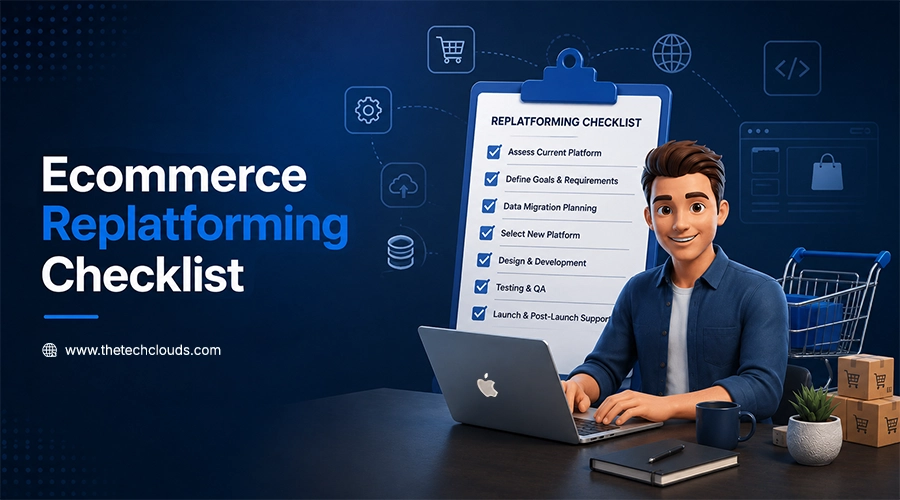
Complete Ecommerce Replatforming Checklist: Steps for a Successful Migration
Switching completely from one store to another is a big decision. A well-planned eCommerce replatforming process is essential to boost performance, speed, and sales. This method future-proofs your business and...
What is Ecommerce Replatforming: A Detailed Guide
The e-commerce landscape is evolving at an unmatched speed to meet customer expectations. Global eCommerce sales are projected to exceed $8 trillion by 2027. This is why shifts drive brands...
Which E-commerce Platform Boosts SEO the Most?
SEO is the driving engine of an online store. Studies show that over 68% of online experiences start with a search engine. This means your platform must support strong SEO...
How to Secure Your Ecommerce Website Against Cyber Attacks
Providing services and selling products through an eCommerce website is really exciting. But with excitement, responsibility comes hand in hand. Threats are constantly evolving in this era. At this moment,...
How to Choose the Best Enterprise eCommerce Platform in 2026
The e-commerce market is increasing rapidly. At this stage, many businesses are finding the right enterprise e-commerce platforms to start their own digital store. But in 2026, the competition is...